
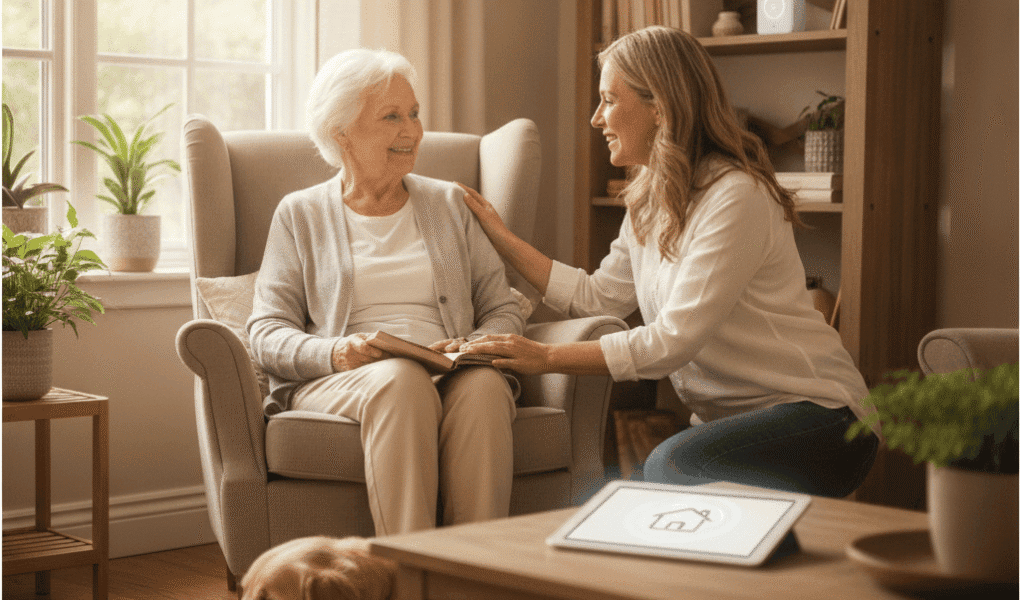
As our loved ones age we often find ourselves caught between two strong feelings. We want them to live independently and enjoy their golden years. But we also carry a deep concern for their safety and well-being. This balance can feel like a heavy weight and I have seen many families struggle with it.
Modern technology offers powerful solutions. These tools help us keep an eye on seniors without taking away their freedom. They can bring true peace of mind to families everywhere. My goal is to help you understand these options.
We believe in living a better healthcare system and keeping you well. This includes making sure our elders are safe and happy. Let us look at how you can finally stop worrying about senior home monitoring and find comfort.
Understanding the Modern Landscape of Senior Care
The way we approach senior care has changed a lot over time. Years ago families had limited choices. Many seniors either moved in with relatives or went into assisted living facilities. This was often not what they preferred. Independence holds great value for most older adults.
Today technology allows a different path. We can support independent living while still ensuring safety. This shift is important because it respects the wishes of seniors. It also gives families practical ways to stay connected and aware.
From where I stand this means creating a healthcare system that adapts. It must meet the needs of every generation. We embrace new ideas that improve quality of life for everyone involved.
The Role of Technology in Empowering Seniors
Technology is not just for young people. It has become a friend to seniors too. Simple devices and smart systems can make a big difference. They help seniors feel more secure and connected. These tools are designed to be easy to use. They remove the fear of complex gadgets.
I have seen firsthand how a well-placed sensor can prevent a fall from going unnoticed. I have also witnessed how a quick alert can bring help swiftly. This is not about surveillance. It is about providing a safety net. It allows seniors to continue living their lives to the fullest in their own homes.
This approach gives families invaluable peace of mind. It knows that help is available if something goes wrong. This balance of independence and safety is key for everyone. It shows how modern solutions really work.
Essential Technologies for Remote Senior Monitoring
When we talk about senior home monitoring we are discussing a range of tools. Each tool serves a different purpose but all aim for the same goal. They help keep seniors safe and well in their homes. Choosing the right combination depends on the individual’s needs. It also depends on the level of monitoring the family feels comfortable with.
I often suggest starting with a few key systems. These provide a good base for safety and awareness. These technologies are not meant to replace human interaction. They are meant to enhance it. They free up time for quality visits and conversations. They take away some of the constant worry.
Smart Home Sensors for Daily Activity
Smart home sensors are a great starting point. They can monitor activity without cameras. This respects privacy which is very important to seniors. Motion sensors can tell you if someone is moving around normally. Door sensors can indicate if someone left the house at an unusual hour. This could signal a problem.
For example if my elderly mother usually wakes up at 7 AM a motion sensor in her bedroom or hallway would detect activity around that time. If it is 9 AM and no motion has been detected I would receive an alert. This allows me to check in without constantly calling her. This low-key monitoring helps maintain a sense of normalcy.
These sensors can also be placed on medication cabinets or refrigerators. They offer insights into daily routines. We use this information to ensure that loved ones are keeping up with important tasks. It is all about knowing without being intrusive.
Wearable Devices for Health and Emergencies
Wearable devices have come a long way. Many seniors now wear watches or pendants that do more than tell time. These devices often include fall detection. They send an alert to caregivers or emergency services if a fall occurs. This is critical because a prompt response to a fall can prevent serious complications.
Some wearables can also monitor heart rate or other vital signs. This provides useful health data. GPS tracking is another helpful feature especially for seniors with memory concerns. It allows family members to locate them if they wander. I have heard many stories of families finding comfort in this specific feature.
The best part is that these devices are often comfortable and discreet. They fit seamlessly into a senior’s daily life. They are powerful tools for safeguarding health and preventing emergencies. We understand the importance of reliable and easy-to-use wearables in senior monitoring.
Creating a Personalized Monitoring Plan
Every senior is unique. Their needs their routines and their comfort with technology vary. This is why a personalized monitoring plan is so important. There is no single solution that works for everyone. I always emphasize taking the time to assess what truly benefits your loved one.
We start by considering their current health conditions. We think about their daily habits and their level of independence. Some seniors might need more extensive monitoring. Others may just need a basic safety net. This careful assessment helps us recommend the best tools and strategies.
A personalized plan also respects their desire for autonomy. It avoids making them feel like they are being watched all the time. Our approach centers on enhancing their safety while preserving their dignity.
Balancing Independence and Safety
This balance is probably the trickiest part of senior home monitoring. We want our elders to feel in control of their lives. We also need to know they are safe. Striking this balance means choosing tools that provide reassurance without being overbearing. It means setting boundaries and communicating openly.
For instance a personal emergency response system offers safety at the touch of a button. But it does not track every move. This gives the senior control over when to call for help. It empowers them to manage their own safety. It eases family worry too.
I find that involving the senior in the decision-making process helps a lot. When they have a say in their monitoring setup they feel more comfortable. They are more likely to use the systems effectively. We encourage this open dialogue for everyone’s benefit. For more elderly home monitoring tips, you can find helpful advice here.
The Benefits Beyond Just Safety
While safety is a main concern with senior home monitoring there are many other positive effects. These benefits often go unnoticed. They truly enrich the lives of seniors and their families. I have seen how these systems can foster stronger connections. They improve overall well-being. It is about more than just preventing emergencies.
These technologies contribute to a sense of empowerment for seniors. They know help is near if they need it. This reduces their own anxieties about living alone. It makes them more confident in their daily activities. This is a very important aspect of healthy aging.
Enhanced Communication and Connection
Modern monitoring systems often include communication features. Video doorbells allow seniors to see who is at the door without opening it. Smart speakers can connect them to family members with voice commands. This is especially helpful for those with mobility issues. These tools make communication easier and more frequent.
I know many families who use smart photo frames. These display updated pictures from relatives. This simple device creates a daily connection. It reminds seniors they are loved and thought of. These small touches add a lot to their emotional health. It helps them feel less isolated.
Regular check-ins facilitated by these systems mean family members are more present. They are present even when physically apart. This strengthens family bonds. It fosters a supportive environment for everyone.
Data for Proactive Healthcare
The data collected by some monitoring devices can be incredibly valuable. Activity logs can show changes in sleep patterns or mobility. Wearable health monitors track heart rate trends or blood pressure. This information can be shared with healthcare providers. It helps them identify potential issues early on.
I have seen situations where subtle changes in daily routine alerted families. These changes then led to a doctor’s visit. A medical problem was caught before it became serious. This proactive approach to healthcare is a game changer. It means better outcomes for seniors.
This data helps caregivers too. They can make informed decisions about care plans. They can adjust support as needed. It transforms reactive care into preventative care. This is a crucial step towards better health for our elders.
Addressing Common Concerns and Misconceptions
It is natural to have questions and worries about new technology especially when it involves loved ones. Many people think senior home monitoring is intrusive or too complicated. I want to address these common concerns. I want to show how modern systems are designed to be user-friendly and respectful.
I often hear comments about privacy. People worry that monitoring means constant surveillance. But this is usually not the case. The goal is to provide safety and peace of mind. It does not aim to invade personal space. We focus on solutions that balance these needs carefully.
Privacy vs. Protection
Finding the right balance between privacy and protection is a key consideration. Most senior monitoring systems are not about video cameras in every room. They use discreet sensors. These sensors detect activity or changes in routine. They do not record images or sounds. This means a senior’s daily life remains private.
For example bed sensors can tell if someone is out of bed for a long time. They do not show you what they are doing. Motion sensors outside the bathroom can confirm use without invading privacy inside. It is about knowing the necessary information to ensure safety. It is not about watching every moment.
It is important for families to discuss these boundaries with their senior loved ones. When everyone understands what the system does and does not do comfort levels increase. Transparency builds trust. It makes the monitoring process much smoother for everyone involved.
Ease of Use for Seniors and Caregivers
Many people assume these systems are hard to set up and use. This is a big misconception. Manufacturers design senior monitoring technology with simplicity in mind. Interfaces are often large and clear. Buttons are easy to press. Voice commands are common features.
I have helped many families install these systems. The process is usually straightforward. Many companies offer excellent customer support. They guide users through setup and troubleshooting. Caregivers can manage alerts and settings from their smartphones. This makes staying connected very convenient.
The goal is to reduce stress not add to it. So designers focus on intuitive controls. They focus on clear notifications. This allows both seniors and caregivers to use the systems effectively. They can use them without feeling overwhelmed. This helps everyone feel more secure.
Integrating Professional Support and Community Resources
While home monitoring systems are incredibly useful they are often just one part of a complete care strategy. Sometimes professional support or community resources can add an important layer of care. I find that a holistic approach works best for our seniors. It covers all bases.
It is wise to consider when these additional layers might be needed. This depends on the senior’s health. It depends on their social needs. It depends on the family’s capacity to provide care. Thinking about these things proactively helps a lot.
When to Consider Professional Monitoring Services
Professional monitoring services can be invaluable. This is especially true for seniors with significant health challenges. It is also good for those who live alone with distant family. These services mean that trained operators respond to alerts 24/7. They can dispatch emergency services quickly if needed. This adds a critical layer of safety.
I often recommend professional monitoring if a senior has a history of falls or specific medical conditions. It means someone is always watching. They are ready to act. This gives immense peace of mind. It can literally save lives when every second counts.
These services often integrate with existing home systems. They create a seamless safety network. It means your senior loved one is never truly alone in an emergency. This professional backup is a smart addition for many families. It helps to keep everyone safe.
Embracing Peace of Mind with Effective Senior Monitoring
I hope this journey has helped you see that worrying endlessly about senior home monitoring does not have to be your reality. Modern technology provides practical and respectful ways to support our aging loved ones. We can give them the independence they cherish. We can also ensure their safety and well-being. From smart sensors to wearable devices these tools are designed to integrate seamlessly into daily life. They offer reassurance without intrusion. They empower seniors and provide invaluable data for proactive healthcare decisions.
We have explored how a personalized plan tailored to individual needs is key. We have also addressed common concerns about privacy and ease of use. Remember these systems are not just about preventing emergencies. They are about fostering greater connection and communication within families. They enhance the overall quality of life for our elders. They do this by reducing anxiety and boosting confidence. Integrating professional support and community resources can further strengthen this safety net. This creates a truly comprehensive care strategy. Do not let worry dictate your choices. Take the first step today to research the best solutions for your family. We are here to help you live a better healthcare system and keep everyone in your family well.


